Welcome to Medica.

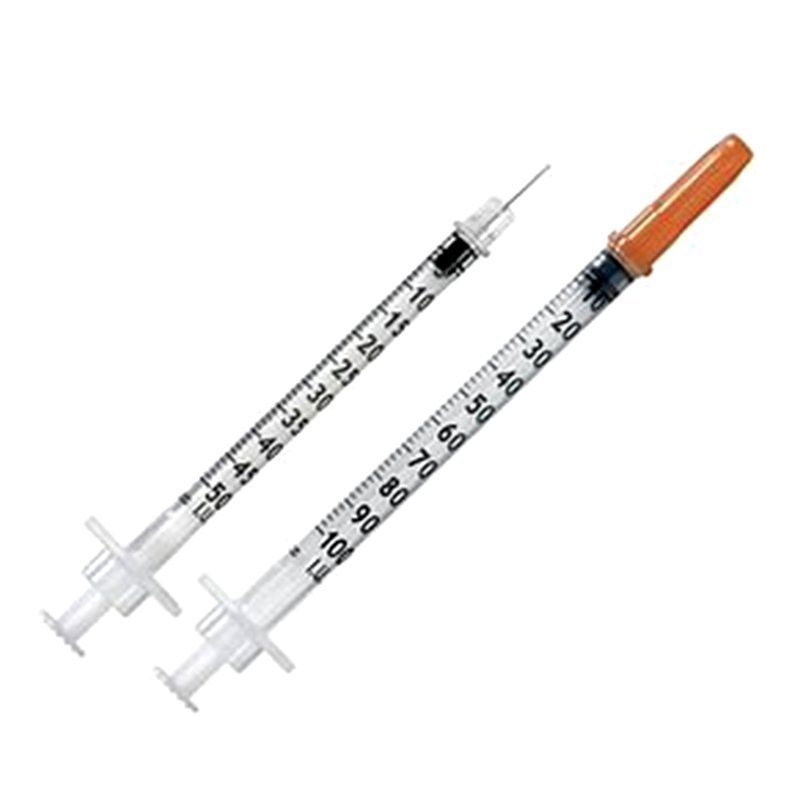
An insulin syringe is a small, specialized needle used for injecting insulin into the body. It is typically used by individuals with diabetes to manage their blood sugar levels. The syringe of insulin consists of a needle, a plunger, and a barrel, with the barrel marked for precise measurement of insulin. These syringes are designed to deliver insulin subcutaneously, ensuring controlled and accurate doses. Their importance lies in helping people with diabetes regulate their glucose levels effectively, preventing complications and maintaining overall health.
An insulin pen is a device used to administer preloaded insulin injections into the subcutaneous tissue, the layer of skin beneath the surface. It is a common method of insulin therapy for individuals with diabetes, typically part of a multiple daily injection (MDI) regimen. Resembling a writing pen, the insulin pen uses a disposable needle at its tip and insulin as its “ink.” There are various types of insulin pens available, each offering convenience and precision for managing diabetes.
There are two main types of insulin syringes: fixed-dose and variable-dose syringes.
These syringes are pre-calibrated to deliver a specific dose of insulin, making them simple to use. They are often used by people who require a consistent, stable dose of insulin, which can simplify the injection process.
These syringes allow for more flexibility, as the user can adjust the dose depending on their needs. They typically feature a plunger that allows precise adjustments to insulin volume, providing more control for users with varying insulin needs throughout the day.
Plastic: Most syringes are made of high-quality plastic for durability and ease of use. Plastic syringes are lightweight, affordable, and often come with a fixed needle.
Glass: Some syringes, particularly those for more specialized uses, may be made of glass. Glass syringes are reusable, offering a more sustainable option, but require thorough cleaning and sterilization.
Needles: Insulin syringes typically have ultra-fine needles made from stainless steel, which are designed for comfort and minimal pain. Some needles may feature a coating (like silicone) to reduce friction and make the injection smoother.
Insulin syringes come in various sizes to accommodate different insulin doses, each designed with specific measurement lines to ensure accurate dosing:
Suitable for doses under 30 units of insulin, with markings at 1/2-unit or 1-unit intervals.
Ideal for 30 to 50 units of insulin, with markings at 1-unit intervals.
Designed for doses over 50 units of insulin, with 2-unit interval markings.
The barrel size determines the syringe’s insulin capacity, while the needle gauge indicates its thickness. Thinner needles can offer a more comfortable injection experience for some users.
Additionally, the length of the needle is important for ensuring proper subcutaneous injection. Insulin needles are typically short, allowing them to inject just under the skin without reaching the muscle. Shorter needles help minimize the risk of injecting too deeply into muscle tissue.
Storing Insulin Syringes Safely: Insulin syringes should be stored in a clean, dry place, away from direct sunlight and extreme temperatures. Keep them in their original packaging until ready for use to maintain sterility. Avoid refrigerating them, as it can affect the needle’s performance and insulin quality.
To minimize pain and ensure effective insulin delivery, follow these steps:
After use, always dispose of insulin syringes and needles in a proper sharps container. Never throw them in regular trash or recycling bins. Safe disposal helps prevent needlestick injuries and ensures proper handling of hazardous materials. Keep the disposal container out of reach of children or pets.
Different types of insulin (rapid-acting, long-acting, etc.) may require specific syringes. Ensure the syringe of insulin is compatible with the insulin you are using for optimal delivery.
Insulin syringes come in various volumes, typically 0.3 mL, 0.5 mL, and 1.0 mL. Select a syringe size that matches your required dose, as smaller syringes are suited for low doses, while larger ones accommodate higher doses.
The needle gauge (thickness) and length are important for comfort during injections. Thinner needles (higher gauge) and shorter lengths are generally preferred for minimizing pain and tissue damage, especially for subcutaneous injections.
Personal factors, such as ease of use, syringe grip, and whether you prefer to self-administer injections, should be taken into account when selecting a syringe. Some patients may prefer syringes with ergonomic features for better control.
Insulin syringes are also compatible with insulin vials and pens, although some pens may require specific syringe types. Ensure the syringe of insulin is compatible with the insulin delivery system you are using, such as whether it fits the needle and is capable of drawing from the pen or vial without leakage.
storemedica offers a wide range of insulin syringes to meet various diabetes management needs, ensuring accuracy, comfort, and compatibility with different insulin types. Options include the HMD Dispovan 1ml Insulin Syringe for precise dosage, Nipro Shinrai U-100 Insulin Syringe for those using U-100 insulin, and the Polymed Insulin Syringe U40 Multi Pack for cost-effective, multi-dose options. Other trusted brands like Nipro and Krivida also provide high-quality syringes known for their ease of use and reduced pain during injections. These syringes are designed to ensure safe and effective insulin administration, whether used with insulin pens or vials. With storemedica, you can easily access reliable, sterile syringes that support better diabetes management. For convenience, explore the Medical First Aid Kit, Diabetes Supplies app, or Medical Supplies app for seamless shopping and delivery.
storemedica offers excellent customer service with prompt support for any queries or concerns. We also provide a hassle-free return and exchange policy, ensuring complete satisfaction with your purchases. Your convenience is our priority.
Ans. An 1ml insulin syringe is used to inject insulin into the body for managing blood sugar levels in people with diabetes. It allows precise measurement and delivery of insulin to control glucose levels effectively.
Ans. Insulin syringes come in different sizes, typically ranging from 0.3 mL to 1.0 mL. Smaller syringes (0.3 mL) are used for doses under 30 units, while larger ones (1.0 mL) are for doses over 50 units.
Ans. The purpose of an insulin syringe is to accurately administer insulin to individuals with diabetes. It helps control blood sugar levels by delivering precise doses of insulin through subcutaneous injection.
Ans. A 1 mL insulin syringe typically holds 100 units of insulin, as it is calibrated for U-100 insulin. The syringe is marked in 1-unit increments for precise dosing.
Ans. Insulin syringes offer precise dosage control, ensuring accurate insulin administration for better blood sugar management. They are easy to use, portable, and provide a cost-effective solution for daily insulin injections.

Typically replies within an hour
I will be back soon

Reviews
There are no reviews yet.