Welcome to Medica.

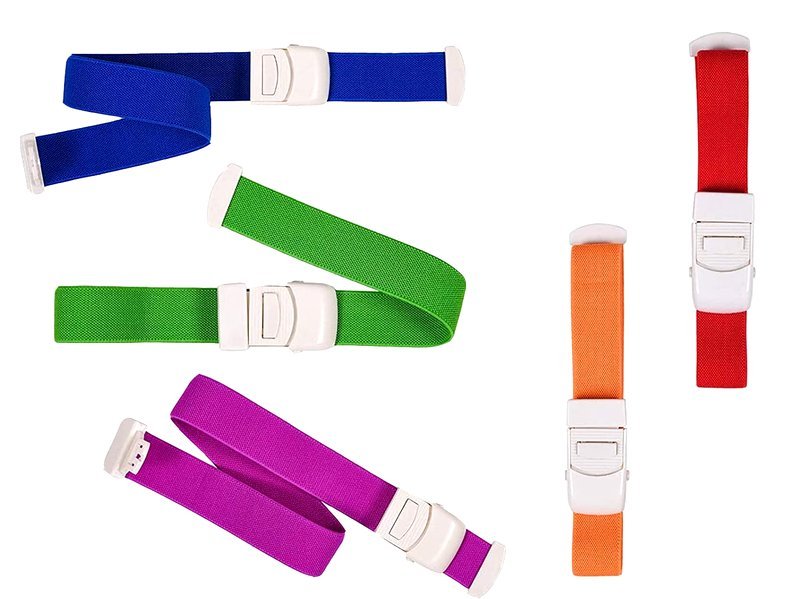
A tourniquet is a medical tool used to stop severe bleeding by applying pressure to a limb, restricting blood flow to the injured area. It is essential in emergencies, particularly in cases of traumatic injury, where it helps control life-threatening blood loss when other methods, like direct pressure, don’t work. Tourniquets are also used in surgeries to maintain a bloodless surgical field. Easy to apply, they can be critical in saving lives, especially when immediate medical care is not available. By controlling bleeding effectively, a tourniquet increases the chances of survival in critical situations.
A tourniquet is a medical device, commonly made of nylon, rubber, or cloth, designed to be wrapped tightly around an arm or leg to control bleeding. It is typically used in emergencies to stop blood flow from severe injuries, such as gunshot wounds, stabbings, or accidents involving heavy machinery. Healthcare professionals also use tourniquets when drawing blood.
While it’s best for trained first responders to apply a tourniquet, there are situations where immediate action is necessary. Knowing how and when to apply a tourniquet can make the difference between life and death in critical situations.
Tourniquets are often used in medical settings to make veins more prominent, making it easier for healthcare professionals to draw blood. When a tourniquet is applied tightly around the upper arm, it restricts blood flow returning to the heart, causing the veins below the tourniquet to expand. This makes the veins more visible and accessible for venipuncture. The increased pressure forces blood to pool in the veins, helping them stand out against the surrounding tissue, which facilitates the blood draw process.
Disposable tourniquets are single-use, offering hygiene and convenience. They are ideal for emergency settings but need frequent replacement, making them more expensive over time. Reusable tourniquets, made from durable materials, can be cleaned and reused, providing cost-effectiveness in the long run. However, they require proper maintenance to ensure hygiene. Both types serve the same purpose, with the choice depending on usage and hygiene needs.
Pneumatic tourniquets use air pressure to control bleeding, providing precise and adjustable pressure for more effective blood flow restriction. Non-pneumatic tourniquets, on the other hand, rely on manual tightening, typically using straps or elastic bands, and are simpler but less adjustable. Both are used to stop severe bleeding, but pneumatic tourniquets offer more control over pressure.
Tourniquets come in various sizes and widths to accommodate different patient needs. The appropriate size and width ensure proper application, effective pressure, and safety. Wider tourniquets are generally more effective at distributing pressure evenly, making them suitable for larger limbs, while narrower ones may be better for smaller or more delicate areas. Choosing the correct size helps minimize discomfort and reduces the risk of tissue damage.
Place the tourniquet on the upper arm, 2-3 inches above the bleeding site, and avoid placing it over joints. Tighten it until the bleeding slows or stops, ensuring it’s tight enough to restrict blood flow but not so tight that it causes severe discomfort or tissue damage. Check for signs of circulation loss in the hand and adjust if needed.
Minimize the tourniquet application time to reduce the risk of tissue damage. Prolonged pressure can harm muscles, nerves, and blood vessels. Aim to release the tourniquet every 15-20 minutes if possible, and seek medical help immediately.
To safely release a tourniquet, loosen it gradually to allow blood flow to return slowly. This helps prevent sudden pressure changes that could dislodge clots. Monitor the wound closely for bleeding and apply direct pressure if necessary.
Proper disposal of used tourniquets is essential to prevent accidental injuries. Disposing of them safely reduces the risk of needle pricks, cuts, or infections to those handling the materials. Always place used tourniquets in a designated sharps container to ensure safe handling and disposal.
storemedica is an online medical store that offers a wide range of high-quality medical products, including 4 x Shakuntla Elastic Multicolour Tourniquets, 5 x Amkay Tourniquets, and 9 x Tynor Tourniquets to meet various medical needs. In addition to tourniquets, they provide essential items like Amkay medical supplies, Remediolife products, First Aid Kits, and a variety of Phlebotomy Supplies. Whether you’re a healthcare professional or looking to stock your own medical kit, storemedica is a trusted online medical store offering reliable and durable products for every healthcare requirement.
Purchasing a tourniquet from storemedica offers several benefits. The platform provides a wide selection of high-quality products, ensuring you have access to trusted brands like Amkay, and Tynor. With competitive tourniquet prices, reliable customer service, and fast delivery, storemedica makes it easy to find the right tourniquet for your needs. Whether for professional use in medical procedures or for personal first aid kits, buying from storemedica ensures you receive durable, effective tools to manage emergency situations.
Ans. A tourniquet is used to temporarily restrict blood flow to a limb, typically to control severe bleeding in emergency situations. It is applied above the wound to prevent further blood loss until medical help is available.
Ans. Three common types of tourniquets are pneumatic tourniquets, which use air pressure to control bleeding; elastic band tourniquets or rubber tourniquets, which apply pressure through stretchable material; and Velcro tourniquets, designed for quick and adjustable application. Each type is suited to different medical needs and settings.
Ans. A tourniquet is used in surgery to control blood flow to the area being operated on, providing a bloodless field for better visibility and precision. It helps reduce the risk of excessive bleeding during procedures, especially in extremities.
Ans. A synonym for tourniquet is “clamp,” as both are used to control or stop blood flow. However, a clamp typically refers to a mechanical device, while a tourniquet is a band or strap.
Ans. The five steps of using a tourniquet are:

Typically replies within an hour
I will be back soon

Reviews
There are no reviews yet.