Welcome to Medica.

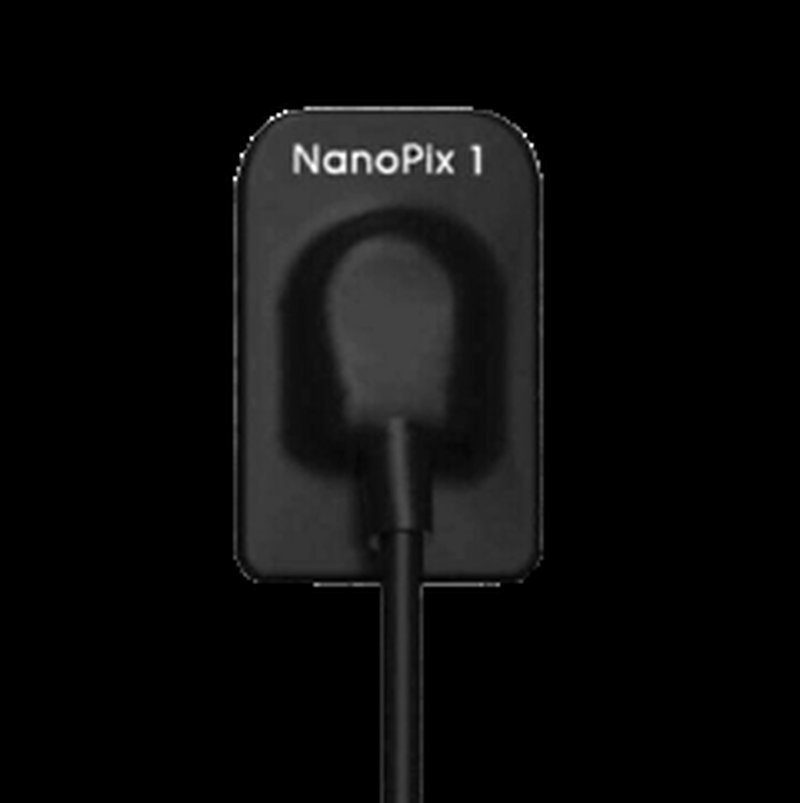
An RVG (Radiovisiography) dental system is a digital imaging tool used in dentistry to capture high-resolution X-ray images of a patient’s teeth, gums, and jaw structures. It replaces traditional film-based X-rays, offering quicker results, reduced radiation exposure, and enhanced image clarity for accurate diagnosis and treatment planning.
RVG stands for RadioVisioGraphy, a technology used as an alternative to traditional X-ray radiography in dentistry. RVG sensors are designed for durability and high-quality imaging. The hermetically sealed housing makes the sensor waterproof, ensuring versatility in various applications. A shock protection layer safeguards the sensor from bites and drops. The combination of a high-sensitivity scintillator, fiber optics, and a high-resolution rugged CMOS detector ensures exceptional image quality.
There are two main types of RVG dental sensor systems: Wired and wireless systems, each with distinct features and benefits.
Wired systems typically offer superior image quality due to a direct, uninterrupted data transfer from the sensor to the computer. These systems are more stable as there are no concerns about battery life or wireless connectivity issues. They are easy to set up and use, making them ideal for practices that require constant, high-quality imaging. The main limitation is the lack of mobility due to the physical connection to the computer, making it less portable.
Wireless sensors offer greater flexibility and convenience since they are not tethered to a computer, making them easier to maneuver around the patient.
While wireless systems generally offer good image quality, there may be slight latency in data transfer or reduced resolution compared to wired systems.
They are easy to use and provide greater patient comfort since the lack of wires eliminates any restrictions during imaging.
Wireless systems require regular charging or battery replacement, which can be a consideration for practices that use the system frequently.
Digital X-rays emit significantly less radiation compared to film X-rays. However, when used appropriately, film X-rays are still considered safe.
The process of developing images from film X-rays is time-consuming. In contrast, digital X-rays allow doctors to diagnose and begin treatment more quickly, as the images are available immediately.
Digital X-rays also provide clearer, higher-resolution images than film X-rays, which can be zoomed in on or adjusted for better detail, reducing the need for repeat procedures.
Film X-rays are stored on film, which is difficult to alter or tamper with. On the other hand, digital X-rays are more susceptible to tampering or loss of records.
Film X-rays require chemicals for development, which can have a negative environmental impact. Digital X-rays, however, do not need chemicals, making them a more environmentally friendly option. Additionally, digital systems eliminate the need for darkrooms and typically involve smaller, space-saving equipment.
Digital X-ray images are stored virtually, making them easy to access, while film X-rays require physical films, which take up significant storage space and can be harder to retrieve quickly.
This sensor minimizes X-ray exposure time during dental imaging. When compared to traditional X-ray methods, the RVG sensor reduces a patient’s exposure to X-ray radiation by up to 80%.
By using this sensor, doctors can obtain immediate results, reducing patient wait times. It also allows for the flexibility to save images and adjust their size or contrast for improved viewing.
This sensor, commonly used in RVG in dentistry for digital imaging, is also known as an intraoral sensor. RVG sensors come in three different sizes—size 0, size 1, and size 2—each designed for specific applications.
The size 0 sensor is intended for pediatric exams, while the size 1 sensor is a general-purpose option, particularly useful for capturing vertical images. The size 2 sensor is used for bitewing and periapical images.
RVG technology has significantly improved the efficiency of dental radiography. The size 1 RVG sensor is especially useful for vertical images.
Radiation safety protocols are crucial for both patients and dental professionals to minimize exposure and protect health. Key practices include:
Use of Lead Aprons and Thyroid Collars
Lead aprons and thyroid collars should be worn by patients to protect sensitive areas from unnecessary radiation. The lead apron shields the body, while the thyroid collar specifically protects the thyroid gland, which is highly sensitive to radiation.
Minimizing Exposure Time
Exposure time should be kept as short as possible to reduce the amount of radiation the patient and dental staff are exposed to. This can be achieved by using modern, high-quality equipment that captures images quickly and efficiently.
Optimizing Exposure Settings
Dental professionals should adjust exposure settings based on the patient’s size, age, and the area being imaged. Using the lowest possible radiation dose that still produces clear images is essential for minimizing risks.
Proper Positioning
Correct patient and sensor positioning ensures that only the area of interest is exposed to radiation, avoiding unnecessary exposure to surrounding tissues.
Protecting Dental Professionals
Dental professionals should stand behind protective barriers or at least 6 feet away from the X-ray beam during exposure. Use of lead aprons and personal dosimeters can help monitor and limit exposure to radiation.
RVG dental sensors are essential in several key situations in dentistry, including routine check-ups, pre-procedural assessments, and diagnosing oral health conditions.
Routine Dental Check-ups
RVG sensors are commonly used during regular dental exams to capture images of the teeth and surrounding structures. These images help detect issues such as cavities, gum disease, and early signs of tooth decay that may not be visible during a visual examination.
Before Dental Procedures
Prior to certain dental procedures, RVG sensors are used to assess the condition of the teeth, roots, and bone structures. For example, before placing fillings, crowns, or implants, digital X-rays provide clear, detailed images that guide treatment planning and ensure the procedure is performed accurately.
Diagnosing Oral Health Conditions
RVG sensors are crucial for diagnosing a variety of oral health conditions, including root infections, abscesses, cysts, and bone loss. They help identify problems that may require urgent intervention or long-term monitoring, such as impacted teeth or early signs of oral cancer.
Medikabazaar offers the convenience of online shopping, allowing you to easily browse and purchase top-quality dental equipment, including a wide variety of RVG dental sensors, from the comfort of your practice or home. We carry leading brands such as Unicorn Denmart Xpect Vision RVG Sensor, Woodpecker I-Sensor RVG Sensor, and Eighteeth Medical Nanopix RVG Sensor, all designed to provide excellent image quality and precision for accurate diagnostics. Whether you choose the reliability of Unicorn Denmart or the cost-effectiveness of Woodpecker, you can trust that you’re getting a product that meets your needs. Additionally, Medikabazaar offers these sensors at affordable rvg dental prices, ensuring you get the best value for your investment. With our medical supplies app, shopping for dental equipment has never been easier, giving you access to a wide range of products anytime, anywhere. Enjoy authentic, high-quality products, backed by exceptional customer service and support, making Medikabazaar the ideal choice for all your dental equipment needs.
Medikabazaar offers a wide range of high-quality RVG dental sensors from trusted brands like Unicorn Denmart, Woodpecker, and Eighteeth Medical at affordable rvg dental prices. With the convenience of online shopping and the Medikabazaar app, you can easily browse, order, and have your equipment delivered directly to you. Enjoy authentic products, excellent customer service, and quick access to everything you need to enhance your dental practice.
Ans. RVG (Radiovisiography) in dentistry refers to a digital X-ray system that uses a sensor to capture detailed images of teeth and surrounding structures. It provides high-resolution images with lower radiation exposure compared to traditional X-rays.
Ans. RVG dental sensors offer high-resolution images with reduced radiation exposure, providing clearer and more accurate diagnostics. They also allow for immediate image viewing, faster treatment planning, and easy image storage.
Ans. RVG (Radiovisiography) is a digital imaging system that captures high-resolution images using a sensor, while IOPA (Intraoral Periapical X-ray) refers to traditional X-rays that capture images of the tooth’s root and surrounding bone. RVG offers clearer images with reduced radiation compared to IOPA.
Ans. RVG systems use digital sensors, commonly CMOS (Complementary Metal-Oxide-Semiconductor) or CCD (Charge-Coupled Device) sensors, to capture high-resolution X-ray images. These sensors convert X-ray radiation into digital signals for clear and accurate diagnostics.
Ans. The principle of RVG (Radiovisiography) is based on using a digital sensor to capture X-ray images, which are then converted into digital signals. These signals are processed to produce high-resolution images for accurate diagnosis while minimizing radiation exposure.

Typically replies within an hour
I will be back soon

Reviews
There are no reviews yet.