Welcome to Medica.

Ongoing research in the field of endodontics is dedicated to finding superior materials for root canal obturation that can consistently meet biological requirements and ensure long-term treatment success. While various materials have been tested for filling root canals, their outcomes have been inconsistent, ranging from satisfactory to problematic.
Gutta-percha (GP) stands out as a time-tested material that has consistently delivered clinical performance across a range of clinical scenarios worldwide. As of the latest available information, no alternative material has demonstrated its effectiveness in various forms to the extent that it could replace GP. Therefore, GP can be regarded as the current gold standard material for root canal obturation.
There are two types of Gutta Percha: alpha and beta. Alpha is the more commonly used type, particularly in thermoplastic gutta-percha techniques, as it exhibits minimal shrinkage and becomes more viscous and adhesive when heated. In contrast, beta gutta-percha is preferred for cold filling techniques due to its increased flexibility at lower temperatures.
Different methods are considered by the manufacturers to distinguish the size and usage of gutta-percha tips:
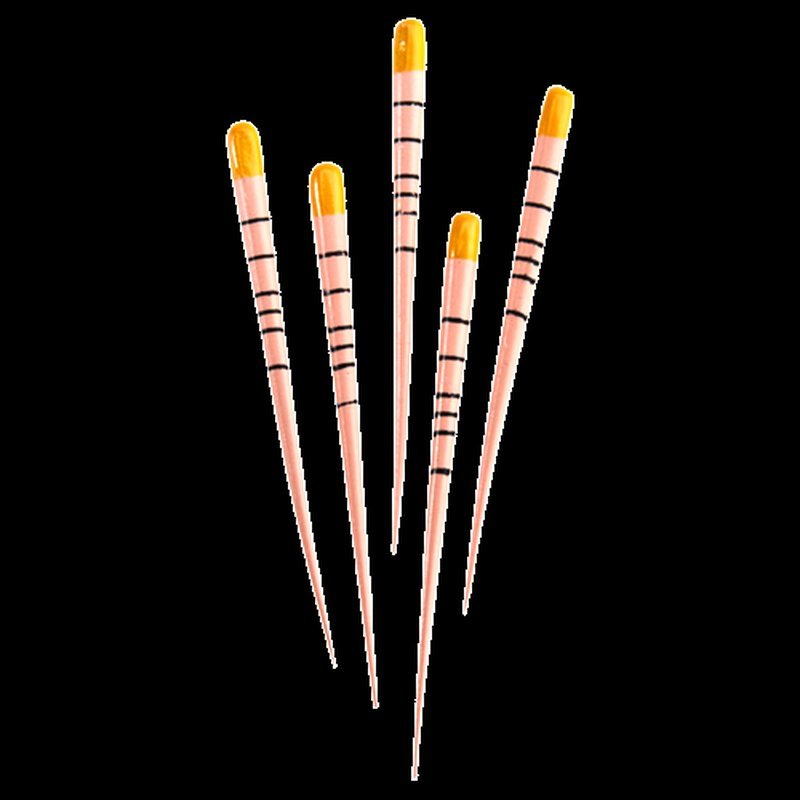
One of these methods employs an ISO code, similar to the coding system seen on dental files and burs. This system employs colour coding on gutta-percha tips to denote their size. The critical measurements considered for gutta-percha tips within the dental field encompass their length, taper, and radiopacity.
The ISO code provides a systematic classification of gutta-percha tips based on head diameter and taper size. For example, an ISO code of 40/04 indicates that the tip has a diameter of 0.4 mm and a taper of 0.04 mm per millimetre of the tip’s length. The colour of the gutta-percha tip is a clear indication of its size, making it easier for dentists to select the right tip for their procedures and minimizing the risk of errors or confusion.
The most significant advantage of using the ISO code is that when combined with endodontic files also categorized by the ISO code, the gutta-percha required is simply the same as the space created in the canal by the file. These tips not only feature color-coding based on their ISO classification but also have fine lines along the tip, aiding dentists in identifying how deeply the tip has been inserted.
The alternative method of grading involves non-standardized gutta-percha tips. These tips lack color-coding or markings and are categorized solely by their size. Common conventional sizes include extra-fine (XXF), extra-fine (XF), fine (F), medium (M), large (L), and extra-large (XL). Dentists can choose from these sizes based on their clinical needs, although this method may require more careful measurement and selection compared to the standardized ISO-coded tips.
The evaluation of dental pulp vitality traditionally involves thermal stimulation, with hot gutta-percha being a common choice. However, it’s crucial to avoid prolonged contact with the tooth’s surface to prevent potential damage to the healthy pulp.
GP points are also employed to trace sinus tracts, aiding in locating the source of infection and the affected tooth, with a high degree of accuracy within a short distance from the injury.
In endodontics, gutta-percha points are used for manual agitation within the canal to enhance cleaning and debriding, removing the smear layer and improving the disinfection process.
For temporary purposes between endodontic appointments and after intra-coronal tooth preparation, temporarily stopping gutta-percha, in combination with a base plate, proves useful.
Additionally, gutta-percha points are employed to assess intra-coronal tooth procedures, especially in cases requiring intra-coronal restorations.
Elevate your endodontic procedures with Gutta Percha Points from trusted brands available at Medikabazaar. Explore a diverse range including Bondent, Diadent, Dentsply, Meta Biomed, and Sure-endo, ensuring precision and reliability in root canal treatments.
|
Products |
|
Dentsply ISO Color-Coded 4% Gutta Percha Points |
|
Bondent Standard 2% Gutta Percha Points |
|
Sure-endo Special Tapered ISO Color-Coded 6% Gutta Percha Points |
|
Diadent Special Tapered ISO Color-Coded 6% Gutta Percha Points |
|
Meta Biomed Aurum Pro Gutta Percha Points |
Answer: It is very important to understand that the selection of tips is a very important criterion. Dental professionals can ensure precise and secure dental treatments with gutta-percha points by selecting the appropriate size and type for the specific case, following proper obturation techniques, using radiography to verify placement, and adhering to strict infection control protocols.
Answer: In my clinic I follow the routine of properly sterilizing the Gutta Percha by using autoclave or ethylene oxide gas sterilization methods and store in a clean, aseptic environment to ensure hygiene and longevity in endodontics.
Answer: GP points come in various types, including standard, thermoplastic, and accessory cones. Standard points are used for warm or cold obturation, thermoplastic points for warm techniques, and accessory cones for backfilling. They differ in design and application, catering to specific clinical needs in dentistry.
Answer: The most upcoming trends and innovations are in bio ceramic materials, improved radiopacity, and enhanced delivery systems for precise obturation, contributing to modern endodontic excellence.
Answer: Points to consider while selecting Gutta Percha include size, taper, radiopacity, obturation technique, and compatibility with the specific dental procedure. These factors will ensure a proper fit and effective sealing of the root canal.

Typically replies within an hour
I will be back soon

Reviews
There are no reviews yet.