Welcome to Medica.

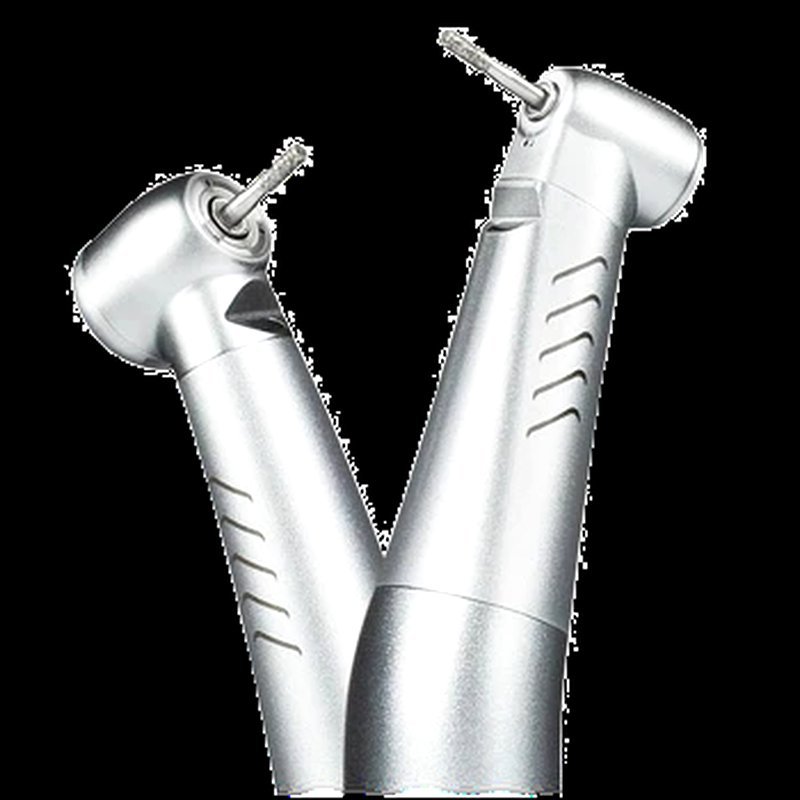
Dental hand instruments play a crucial role in various dental procedures, from routine check-ups and cleanings to complex surgical and restorative treatments. These specialized tools are essential for dentists and dental assistants, enabling them to perform their tasks with precision and effectiveness. They facilitate comprehensive oral examinations, removal of decay, restoration of damaged teeth, and even surgical interventions. For patients, understanding the purpose of these instruments can help alleviate anxiety associated with dental visits. These tools not only promote better oral health but also ensure quicker, safer, and more effective treatments. Proper selection and use of these instruments are vital to maintaining high standards of dental care, ultimately contributing to overall well-being and quality of life.
Dental handpieces and related equipment can be categorized in various ways, often based on individual components. There are complete systems with all their parts and part-only items that require an existing system to function during dental procedures. The key categories include:
High-speed (air-turbine) handpieces are precision tools designed for the efficient and rapid removal of tooth tissue without generating excessive pressure, heat, or vibration. These handpieces come in various designs and materials, but they all typically operate at speeds ranging from 250,000 to 400,000 RPMs. Features such as attachment type, head size, light sources (such as fiber optic lights), handpiece weight, and motor noise can differentiate different high-speed dental handpieces. Proper use and caution are essential when operating high-speed handpieces to ensure patient safety and quality dental procedures.
A low-speed (slow) handpiece is a handheld motor, typically air-driven or electric, that rotates dental burs and prophy cups at a slower speed of around 50,000 RPM. These handpieces are commonly used for tasks like removing caries and refining cavity preparations. They play a crucial role in endodontic procedures, including root canal treatments. Low-speed handpieces may vary in features among manufacturers, including the type of dental bur attachment, the presence of air/water nozzles, the construction material, and the angle design. These variations allow dental professionals to select the most suitable tool for specific procedures.
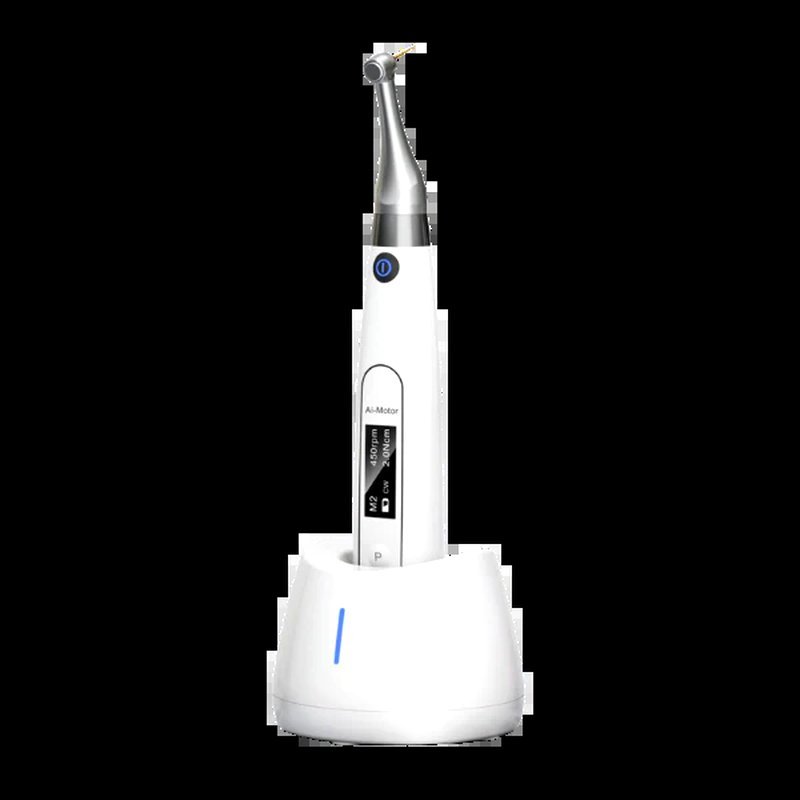
Electric dental handpiece systems are high-powered contra-angle tools that offer several advantages. They save time and enhance precision in dental procedures. The motorized torque generated by electric motors reduces the reliance on air-driven tools, making them particularly useful in tight spaces and when working at difficult angles. These handpieces come in various styles, providing flexibility and versatility while also helping dental practices save money by reducing the need for additional equipment. Electric handpieces are known for their reliability, efficiency, and ability to handle a wide range of dental procedures.
For safe and effective oral surgeries, the use of a surgical air-driven handpiece is essential. These specialized surgical handpieces are equipped with grated vents that prevent air from spraying into the oral cavity during surgery. This design is crucial to avoid complications and maintain a sterile environment throughout the procedure. Surgical air-driven handpieces are designed with the utmost precision and safety in mind, making them a vital tool for oral surgical procedures.
Endodontic handpieces are specialized dental instruments tailored for the intricate task of cleaning and shaping canals during root canal treatments. Their precise design and functionality allow them to drive endodontic files with accuracy, reducing the risk of file breakage or binding. Whether employing a reciprocating or rotating motion, these handpieces seamlessly integrate with your chosen file system and other operatory equipment to ensure the utmost precision during root canal procedures. Their reliability is a valuable asset for endodontists and dental professionals performing root canals.
Implant handpieces are meticulously engineered dental instruments, with a specific focus on their application in oral and maxillofacial surgery. These handpieces are constructed using high-quality stainless steel, which is further enhanced with special coatings to ensure their robustness and longevity.
Consider this following Checklist while selecting the Right Handpiece-
Maintenance and sterilization of dental hand instruments are critical to preventing cross-contamination and ensuring patient safety. Here’s an overview of how it’s typically managed in a dental setting:
Regular inspections should be carried out to evaluate the wear and tear of dental instruments.
There are many brands available out of which NSK, Hagen, Densafe, APL, Apple Dent and so on are known for their quality, durability, and innovation in dental handpiece technology. Dentists often choose handpieces from these reputable manufacturers to ensure reliable and efficient dental procedures.
|
Products |
|
NSK Pana Air FX SU B2 High-Speed Handpiece |
|
Tornado Standard Head Airotor High-Speed Handpiece |
|
Denext 45 Degree SU45 High-Speed Handpiece – Without Led (SU45) |
|
Eko Dental High-Speed Handpiece – Chuck Type |
|
Being Foshan Air Rotor Turbine Lotus 403-B2 High-Speed Handpiece |
Answer: I recently bought handpiece from a reputed brand, while selecting I had following features in my mind:
Speed and Power: High-speed handpieces are ideal for precision work, while low-speed handpieces are better for polishing and grinding.
Patient Comfort: Consider the comfort and anxiety levels of the patient, as high-speed handpieces may produce more noise and vibration.
Procedure Type: Match the handpiece to the specific dental procedure, whether restorative, oral surgery, or polishing.
Ergonomics: Choose handpieces with ergonomic designs to reduce hand fatigue during long procedures.
Lighting: Fiber optic handpieces provide better visibility during procedures.
Brand and Quality: Stick to reputable brands known for producing high-quality dental handpieces.
Maintenance and Sterilization: Ensure the handpieces are easy to clean, lubricate, and sterilize.
Warranty and After-Sales Service: Check the warranty and availability of service centres for repairs and maintenance.
Answer: I follow the following routine to keep my Handpiece sterile and ensure the effectiveness for a longer period of time
Answer: Dental handpieces come in various types, each designed for specific applications:
Answer: For a Dental Professional it is very essential to choose the appropriate handpiece type (high-speed, low-speed, electric, etc.) for the specific procedure to ensure precision. One must follow recommended techniques for using the handpiece to minimize vibration, heat, and pressure, ensuring patient comfort and safety. Keep handpieces in optimal condition through regular maintenance, including cleaning, lubrication, and sterilization. One should invest in high-quality handpieces from reputable brands to ensure reliability and precision. Adhere to strict infection control protocols to prevent cross-contamination and maintain a sterile environment.

Typically replies within an hour
I will be back soon


Reviews
There are no reviews yet.