Welcome to Medica.
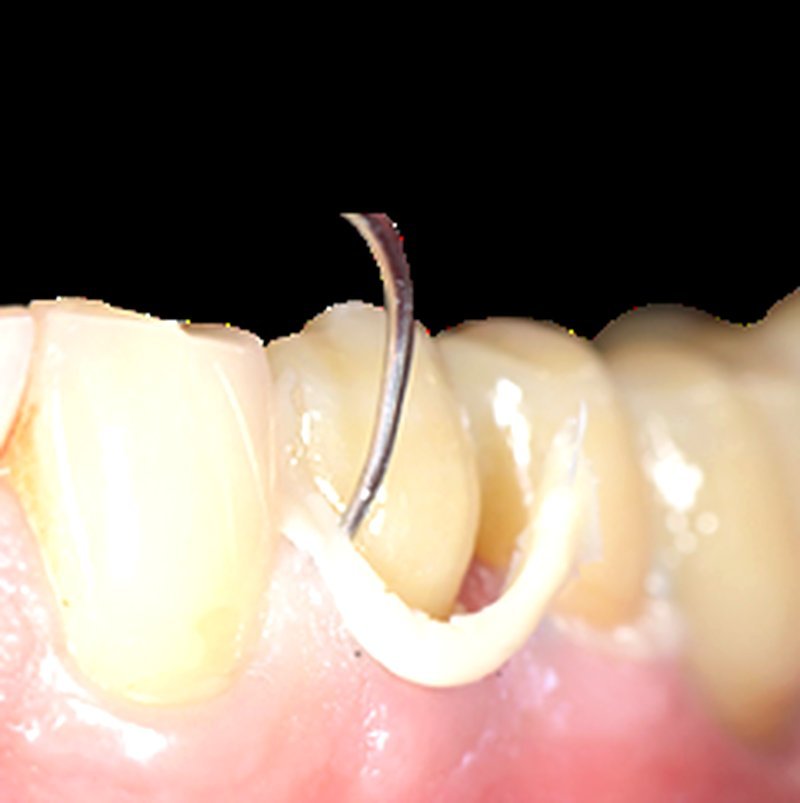
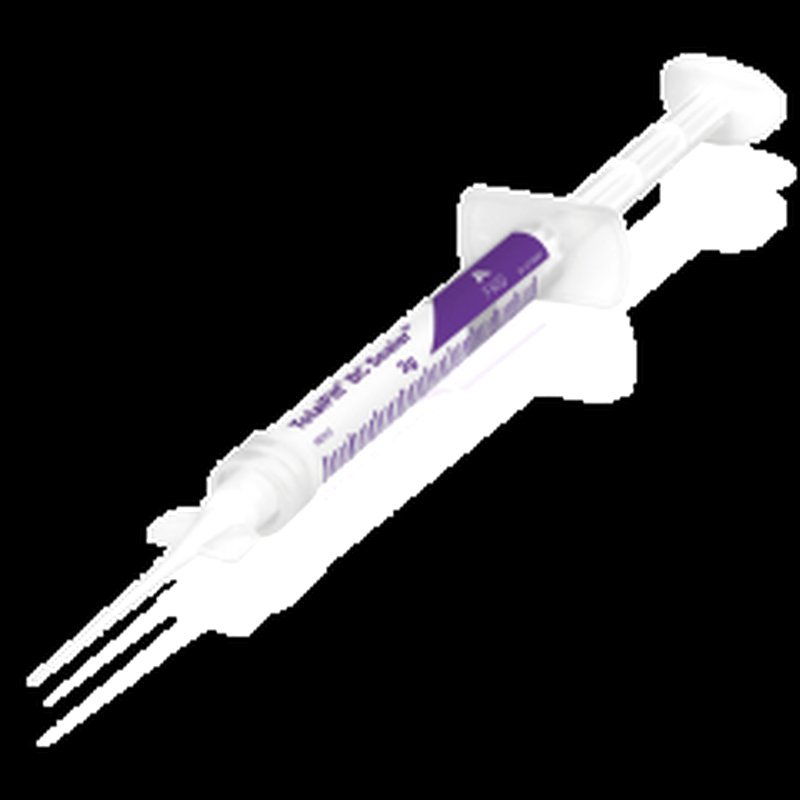
GIC (Glass Ionomer Cement) Luting Cement is a dental material primarily used for bonding and cementing restorations, crowns, bridges, and orthodontic brackets. It chemically bonds to both enamel and dentin, providing strong adhesion, durability, and fluoride release, which helps protect teeth from decay. Its ease of use and biocompatibility make it a popular choice in restorative dentistry.
GIC was designed as a translucent material for cervical restorations. Its popularity grew due to key advantages, including biocompatibility, bioactivity, fluoride release, and an excellent coefficient of thermal expansion and modulus of elasticity. GIC is also unique in its ability to chemically bond with tooth structure. Although early formulations of GIC lacked the strength for posterior restorations, advancements in the composition of the powder and liquid have made it suitable for use in both anterior and posterior restorations on both deciduous and permanent teeth.
There are two main types of GIC luting cements: conventional GIC and resin-modified GIC.
Conventional GIC is made from a powder-liquid mix that forms a paste. It bonds chemically to the tooth structure and releases fluoride, which can help prevent decay. This type of cement is biocompatible, has a good thermal expansion rate, and provides moderate strength. It is often used in areas that aren’t under heavy stress, such as in fillings and cervical restorations. Additionally, conventional GIC is cost-effective, making it a popular choice for many dental procedures.
Resin-modified GIC combines the properties of conventional GIC with added resins. This enhances its strength and reduces setting time. Resin-modified GIC offers improved wear resistance and is more durable than conventional GIC. It also has better aesthetics due to its increased translucency, making it suitable for both anterior and posterior restorations where higher durability is needed. The addition of resin also enhances the cement’s bond to the tooth, making it a versatile choice in modern dentistry.
GIC luting cements offer several notable benefits in dental procedures. One of the key advantages is biocompatibility; GICs bond chemically to the tooth structure, which minimizes the risk of irritation or allergic reactions to the surrounding tissues. Additionally, GICs are known for their fluoride release, which helps in the prevention of secondary caries by continuously releasing fluoride to the tooth over time. This property makes them particularly useful for GIC restorative applications in areas prone to decay.
Tooth Restoration: GIC is commonly used to restore decayed or damaged teeth, offering a minimally invasive solution. It is particularly useful in pediatric dentistry due to its fluoride-releasing properties, which help prevent further decay.
Luting Cement: GIC serves as an effective luting cement for crowns, bridges, inlays, and onlays. Its strong adhesive properties ensure a secure bond between the restoration and the natural tooth.
Orthodontic Applications: In orthodontics, GIC is used to bond brackets to teeth. Its fluoride-releasing ability helps protect enamel from demineralization during braces treatment.
Pit and Fissure Sealants: GIC is applied as a pit and fissure sealant to protect the chewing surfaces of molars and premolars from decay, especially in children.
Core Build-Up: When a tooth has lost significant structure due to decay or trauma, GIC can be used to build up the core, providing support for a crown or other restoration.
When handling GIC luting cement, follow these safety precautions:
Shop conveniently online at Medikabazaar for a wide range of GIC Luting Cements, ensuring you find the right product for your needs. From trusted brands like GC Gold Label 1 / Fuji I (Powder-Liquid) Luting GIC, Orikam Neocem Type 1 Luting GIC, and D-Tech Lute Glass Luting GIC, we offer a variety of options for dental professionals.
Enjoy affordable gic luting cement prices, excellent quality, and fast delivery, all at the click of a button. With the Medikabazaar medical supplies app, you can easily browse and order your products anytime, anywhere.
Purchasing GIC Luting Cement from Medikabazaar offers several benefits. With a wide selection of trusted brands like GC and Orikam, you can find the ideal cement for your dental practice. Medikabazaar ensures affordable GIC luting cement prices without compromising on quality, helping you maintain cost-effective solutions. Shopping is made simple through the Medikabazaar medical app, allowing you to easily browse and order products at your convenience. Fast, reliable delivery ensures you receive your items promptly, while excellent customer support provides assistance whenever needed. Whether you’re a dental professional or clinic, Medikabazaar offers everything you need in one place.
Ans. GIC luting cement is a dental adhesive used to bond restorations like crowns and bridges to teeth. It is made from glass powder and polyacrylic acid, offering biocompatibility and fluoride release.
Ans. GIC Type 2 is primarily used as a luting cement for cementing crowns, bridges, and inlays. It provides a strong bond, offers fluoride release, and is biocompatible.
Ans. The three main types of luting cements are glass ionomer cement (GIC), resin-modified glass ionomer cement (RMGIC), and zinc phosphate cement. Each type offers different benefits, such as bonding strength, fluoride release, and ease of use.
Ans. GIC can be used as a permanent filling material, especially in areas with low stress. It bonds well to tooth structure and releases fluoride, but may not be as durable as other materials for high-stress areas.

Typically replies within an hour
I will be back soon

Reviews
There are no reviews yet.