Welcome to Medica.

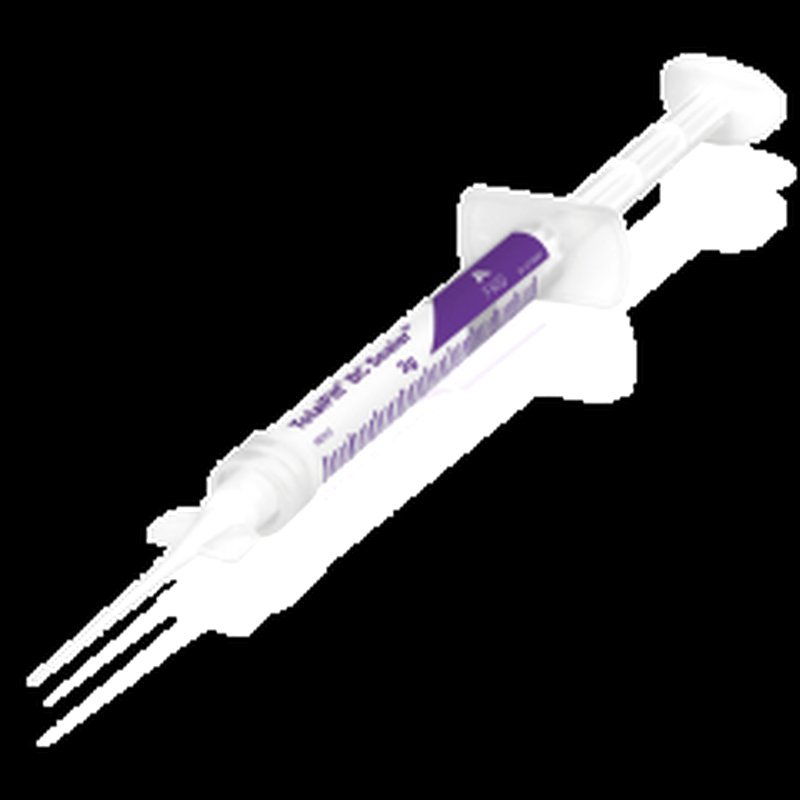
The role of the sealer is critical for establishing a fluid-tight seal of the root canal as it fills the vacant space between the prepared dentinal wall and the core filling material. It also reaches lateral canals and tubules that are not accessible to gutta-percha cones and provides antimicrobial action.
Root canal sealers, often used in conjunction with Gutta Percha for obturation, may eliminate the need for Gutta Percha in some cases. These sealers have diverse base compositions, including Calcium Hydroxide, epoxide-amine resins, Barium Sulphate, Bismuth Oxychloride, and Zinc Oxide.
They can be categorized as containing or not containing Eugenol. Zinc Oxide Eugenol, a component in some sealers, can be temporarily placed in the root canal to reduce inflammation and sensitivity. Sealer application methods include syringe, hand mix, and premeasured capsules. It’s crucial to communicate your preferred working times to the vendor, as these can vary significantly among different products.
Root canal sealers are diverse, categorized based on their composition and properties:
Zinc Oxide Eugenol (ZOE) Sealers: Contain eugenol and zinc oxide, providing temporary anti-inflammatory effects.
Non-Eugenol-Based Sealers: Lack eugenol, with variations like calcium hydroxide, resin, glass ionomer, or bio ceramic compositions.
Iodoform-Containing Sealers: Include zinc oxide, eugenol, and iodoform for antimicrobial effects, found in products like Iodoform paste and Vitapex.
Calcium Hydroxide-Containing Sealers: Utilize calcium hydroxide as a base, seen in Sealapex, Apexit, Apexit Plus, Vitapex, and Calcibiotic.
Resin-Containing Sealers: Introduced for superior bonding and minimal microleakage, categorized as polyvinyl, methacrylate, and epoxy resin-based.
Polyacrylic Acid-Containing Sealer: Limited use due to retreatment challenges; examples include glass ionomer sealers like Ketac Endo.
MTA-Based Sealers: Endo-CPM-Sealer, MTA Obtura ProRoot, Endo Sealer MTA, and Fillapex leverage Mineral Trioxide Aggregate for enhanced outcomes.
Calcium-Silicate-Phosphate Bioceramic Sealers: Endosequence/iRoot SP, iRoot BP, and Bioaggregate utilize bioceramic materials for favorable biocompatibility and bioactivity.
Calcium-Phosphate-Containing Sealers: Capseal I and Capseal II utilize calcium-phosphate compounds for effective endodontic procedures.
1. Zinc Oxide Eugenol:
– Absorption if extruded past the apex
– Anti-inflammatory and antimicrobial effects
2. Calcium Hydroxide:
– Antimicrobial properties
– Milder cytotoxicity
– Promotes tissue healing
3. Glass Ionomer (GI):
– Improved adherence via dentin bonding
– Increased resistance to root fracture
– Enhanced resistance to solubility in tissue fluids
– Antimicrobial properties
– Sustained fluoride release
4. Resin:
– Improved adherence
– Enhanced tolerability of apical tissues
5. Bio ceramic:
– Biocompatible
– Ability to promote biomineralization
– Enhanced bonding between dentin and core material
– Dimensional stability upon setting
1. Zinc Oxide Eugenol:
– Transition into a weak, porous state upon setting
– Shrinkage upon setting
2. Calcium Hydroxide:
– Solubility
3. Glass Ionomer (GI):
– Technically difficult to prepare deep aspects of the root canal
– Difficult to remove in cases of endodontic retreatment
4. Resin:
– Technically difficult to prepare deep aspects of the root canal
– Difficult to remove in cases of endodontic retreatment
– Potential for allergic and mutagenic bodily responses
– Shrinkage upon setting
5. Bio ceramic:
– Technically difficult to manipulate
– Expensive
– Shorter shelf-life compared to other sealers
Dental sealants are recommended for individuals at a high risk of developing cavities, with dentists assessing both oral and medical factors influencing the likelihood of dental caries. Oral factors, such as diet, dental appliances, and oral hygiene practices, are considered, alongside medical conditions contributing to oral ailments. During consultations, dentists evaluate the patient’s risk and may recommend sealants, especially for children and teens who may struggle with consistent dental care routines. Glass ionomer sealants are often suggested for young patients, providing water repellence to protect teeth from moisture.
For patients with orthodontic appliances like braces, dentists opt for mouldable composite resin sealants, ensuring shape flexibility around braces without compromising durability. Composite resin sealants are also suitable for those with a sweet tooth, offering better retention even with frequent consumption of sugary treats.
Individuals with xerostomia (dry mouth) are prone to cavities due to reduced saliva production. A composite resin dental sealant proves effective in protecting teeth, especially when patients stimulate saliva production with sugar-free gum.
Behavioural factors, such as mouth breathing, smoking, and consumption of diuretic beverages like alcohol and energy drinks, contribute to dry mouth. Dentists consider these habits when assessing patients for sealant recommendations. Environmental factors, like the absence of fluoride in drinking water, influence the choice of dental sealant. In cases where water lacks fluoride, glass ionomer sealants are preferred, releasing fluoride to enhance tooth protection.
Check out for trusted brands like Dengen, Ammdent, Prevest DenPro and many more Root Canal Sealants India prices on our Medikabazaar website:
|
Products |
|
Dengen Pexsil Calcium Based Catalyst Paste Root Canal Sealant |
|
Ammdent Resinoseal Liquid Root Canal Sealant |
|
Prevest DenPro Endoseal Root Canal Sealant |
|
SafeEndo EpoxySeal Root Canal Sealant |
|
MAARC Ceraseal-B Root Canal Sealant |
Yes, there are different types of root canal sealants, including Zinc Oxide Eugenol (ZOE) sealers, Calcium Hydroxide sealers, Glass Ionomer (GI) sealers, Resin sealers, and Bioceramic sealers. Each type has distinct properties and is selected based on specific patient needs and conditions.
Selecting the right root canal sealant depends on factors like patient age, oral health, and conditions. Glass ionomer suits young patients, composite resin is mouldable for braces, and bio ceramic offers biocompatibility. Dentists consider patient habits and environmental factors for optimal effectiveness.
Yes, using low-quality root canal sealants can have negative consequences, including compromised sealing effectiveness, increased risk of bacterial leakage, and potential treatment failure. It may lead to the need for additional dental procedures and impact the long-term success of the root canal treatment.
Yes, root canal sealants can be used in combination with other dental materials, such as core obturation materials like gutta-percha. This combination aims to achieve comprehensive sealing and restoration of the treated tooth, ensuring the success of the overall endodontic procedure.
The setting or curing time for root canal sealants can vary based on the specific type and brand. Generally, it may take anywhere from a few hours to a day for the sealant to set completely. Dentists often follow manufacturer recommendations and ensure the sealant is fully cured before proceeding with additional dental procedures or restoration.

Typically replies within an hour
I will be back soon

Reviews
There are no reviews yet.